Art, Science, Therapy
Historicizing Human Attention in the 20th Century
Historicizing Human Attention in the 20th Century
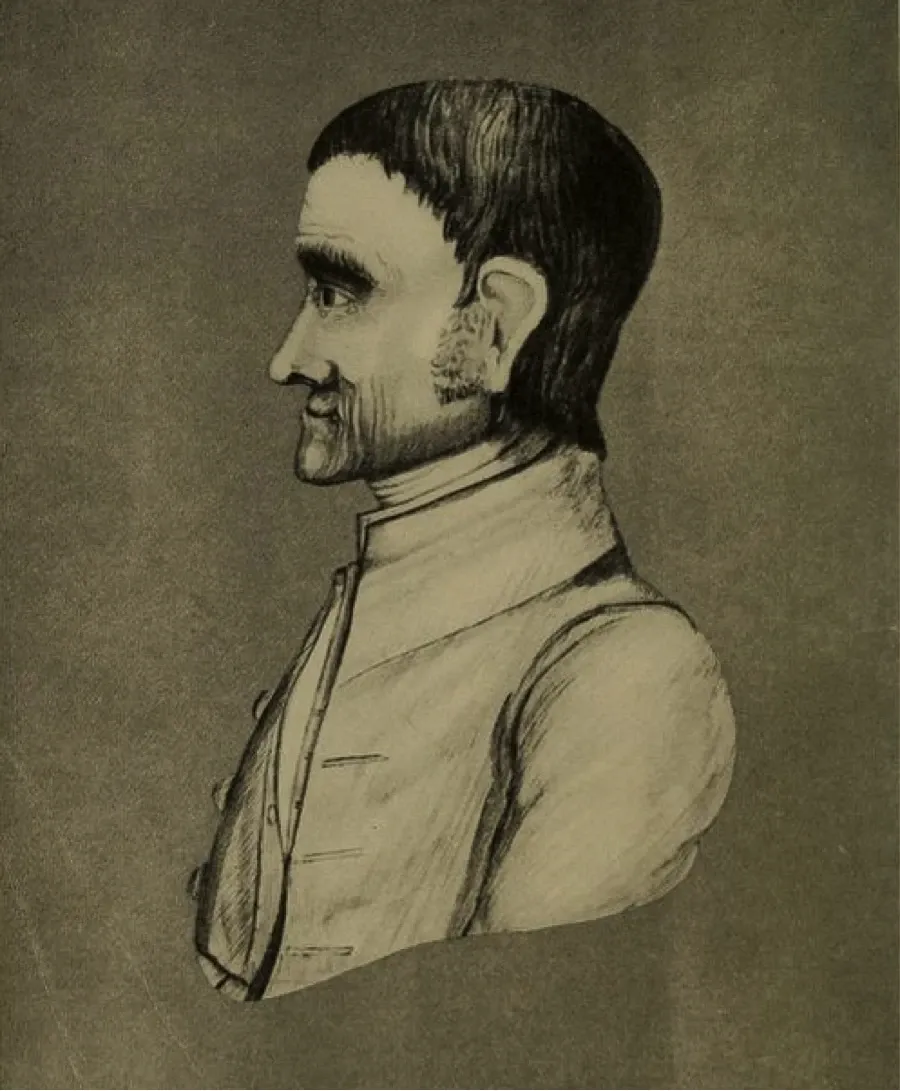
Unsigned 18th-century sketchIn 1757, John Woolman wrote a letter to the Friends at New Garden, the meeting from which Guilford College grew.
the Road to large Business appeared open; but I felt a Stop in my Mind.
nothing might hinder me from the most steady Attention to the Voice of the true Shepherd
I believed Truth required me to live more free from outward Cumbers.
John Woolman, Journal (1774), ch. 3 (1756); ch. 2
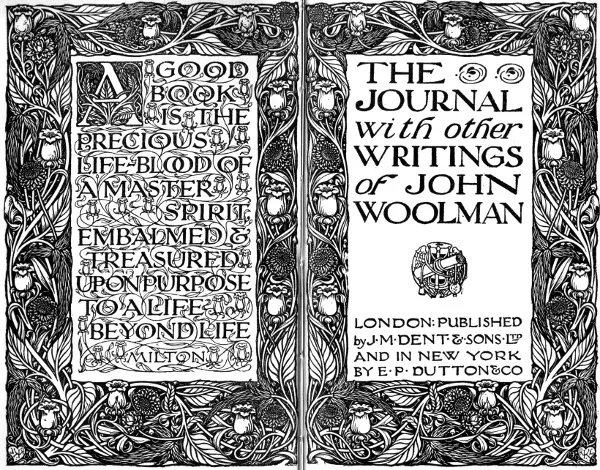
Title page, The Journal with other writings of John Woolman (London: J. M. Dent & Sons; New York: E. P. Dutton & Co., 1910)
The Simple Life is then Woolman’s plea
Vida D. Scudder, introduction to John Woolman’s Journal, 1910
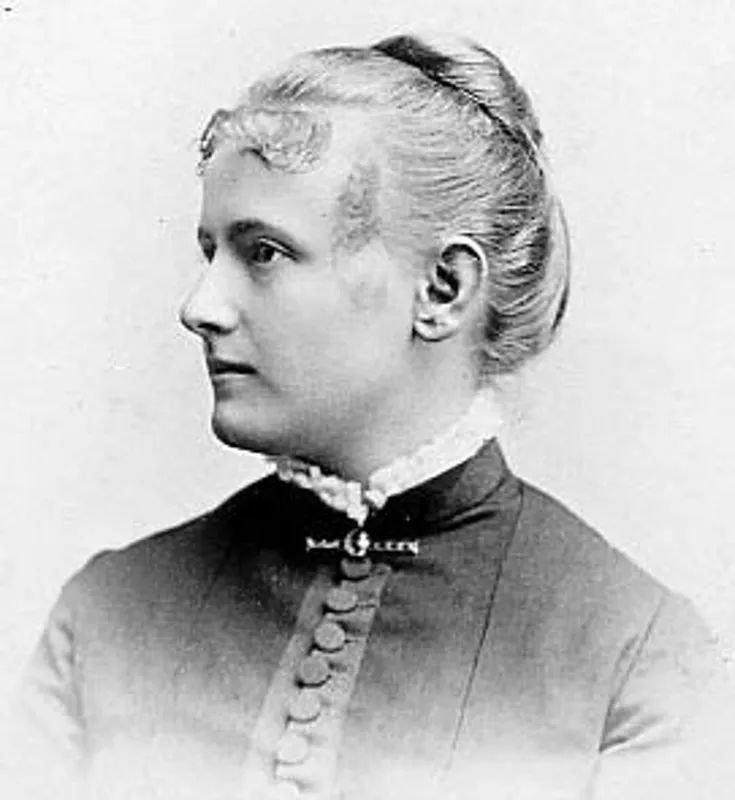
Byung-Chul Han
The Burnout Society

Jill Lepore
“Burnout: Modern Affliction or Human Condition?”
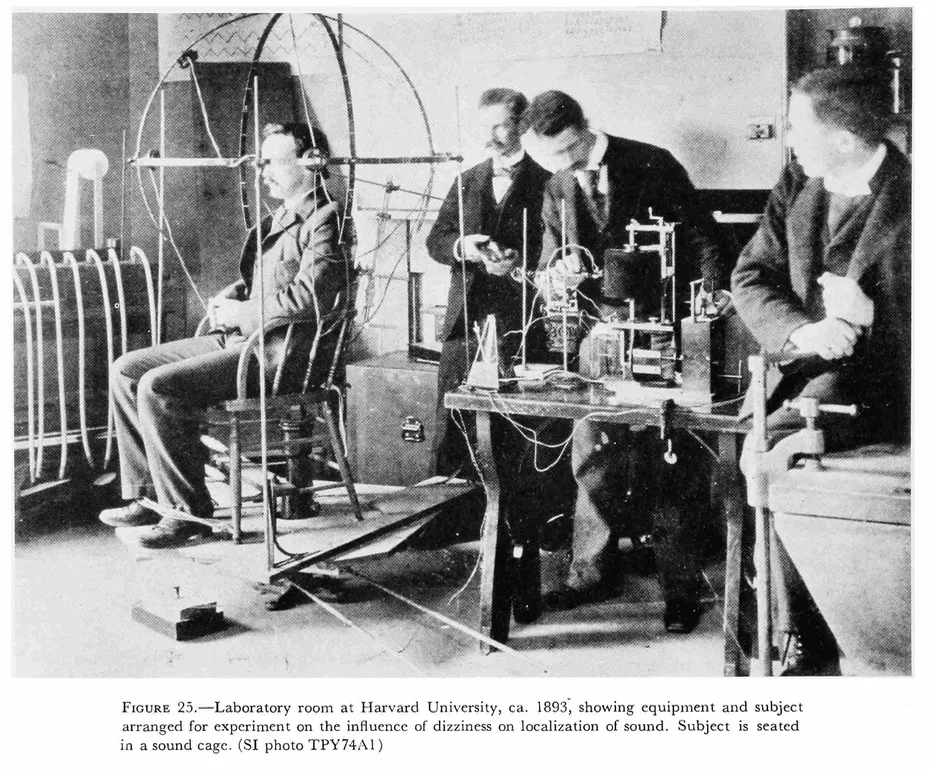
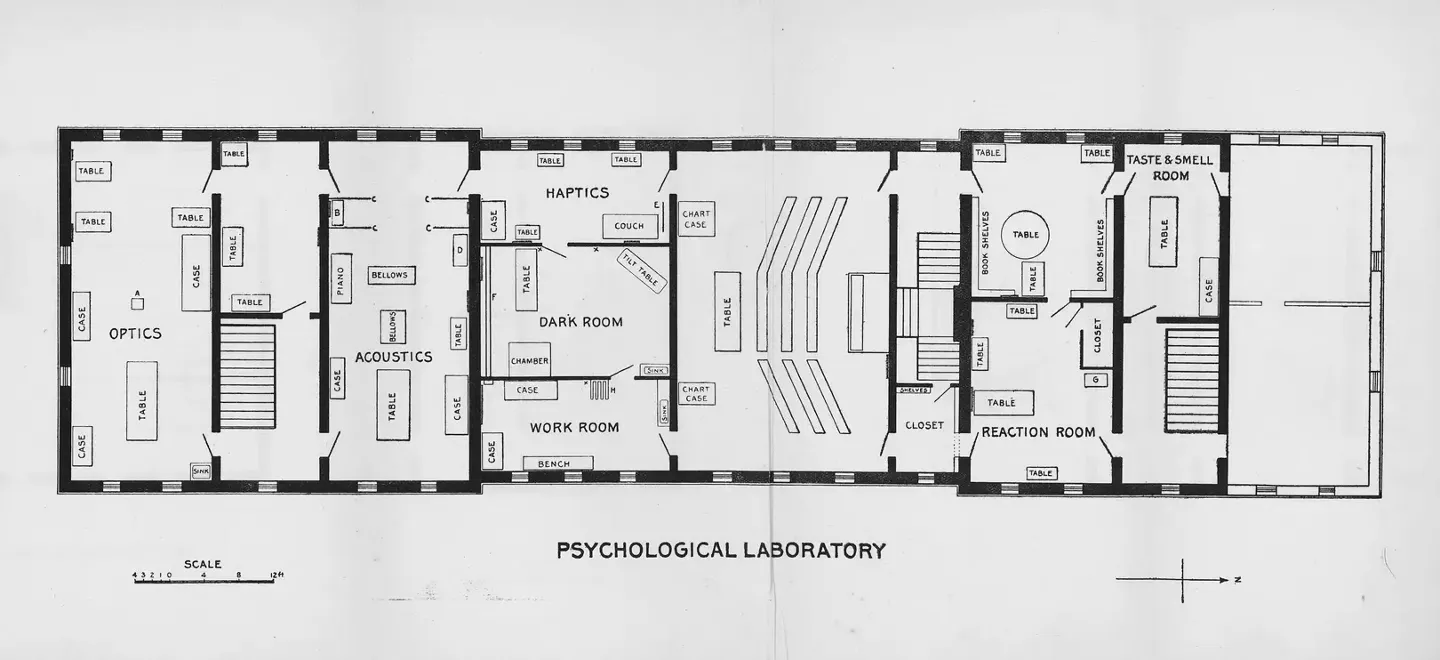
Attention
Art objects
Therapeutics
Classroom
Museum
Sanatorium
Attention
Art objects
Therapeutics
Princeton University, spring 2025
Attention and Modernity
Augustine
Confessions
I have been scattered into times
Augustine, Confessions XI.29.39 (in tempora dissilui)
A dog coursing a hare.
A lizard catching flies.
my love is my weight
Augustine, Confessions XIII.9.10 (pondus meum amor meus)
Christopher Mole
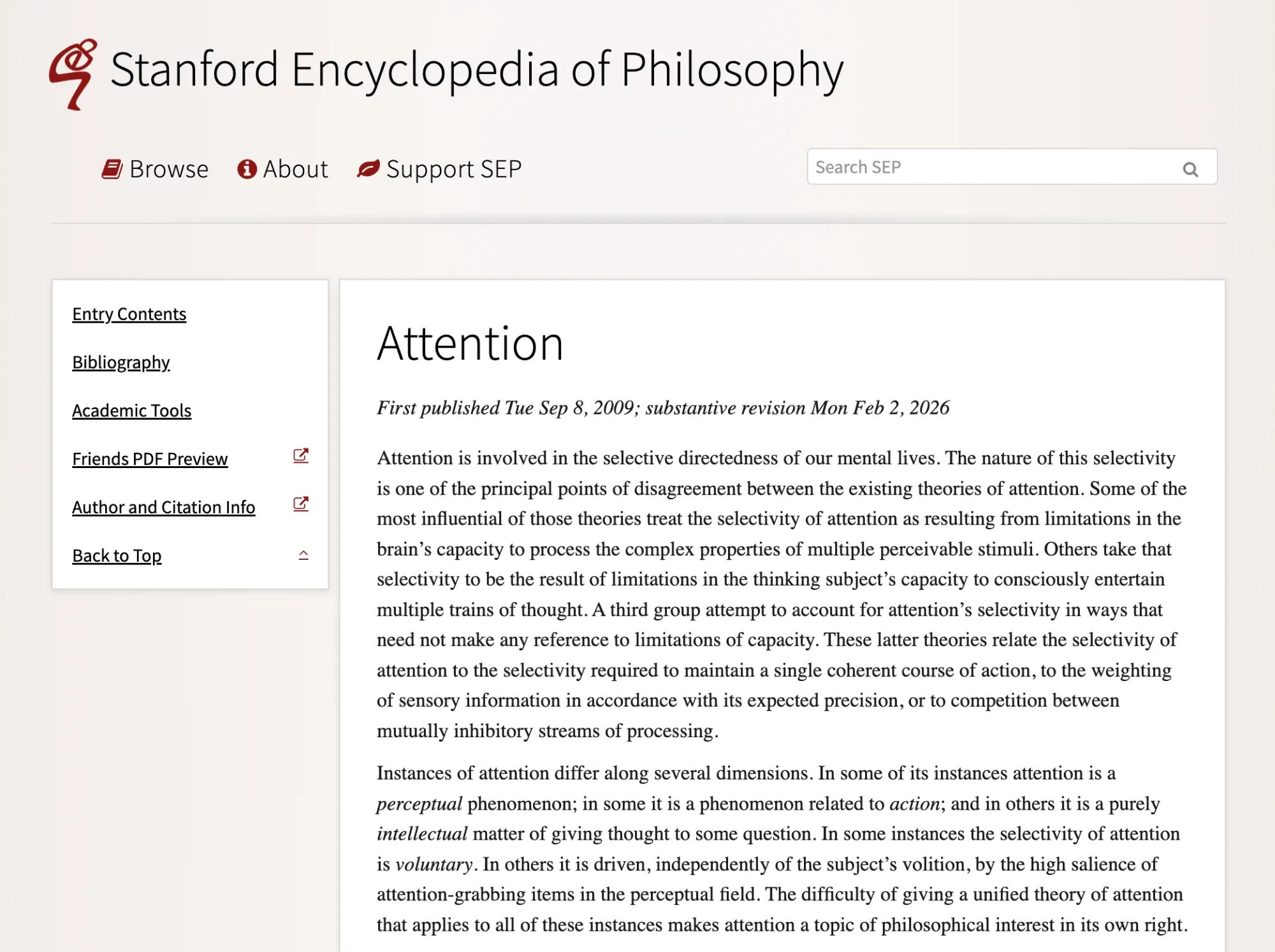
“Attention”
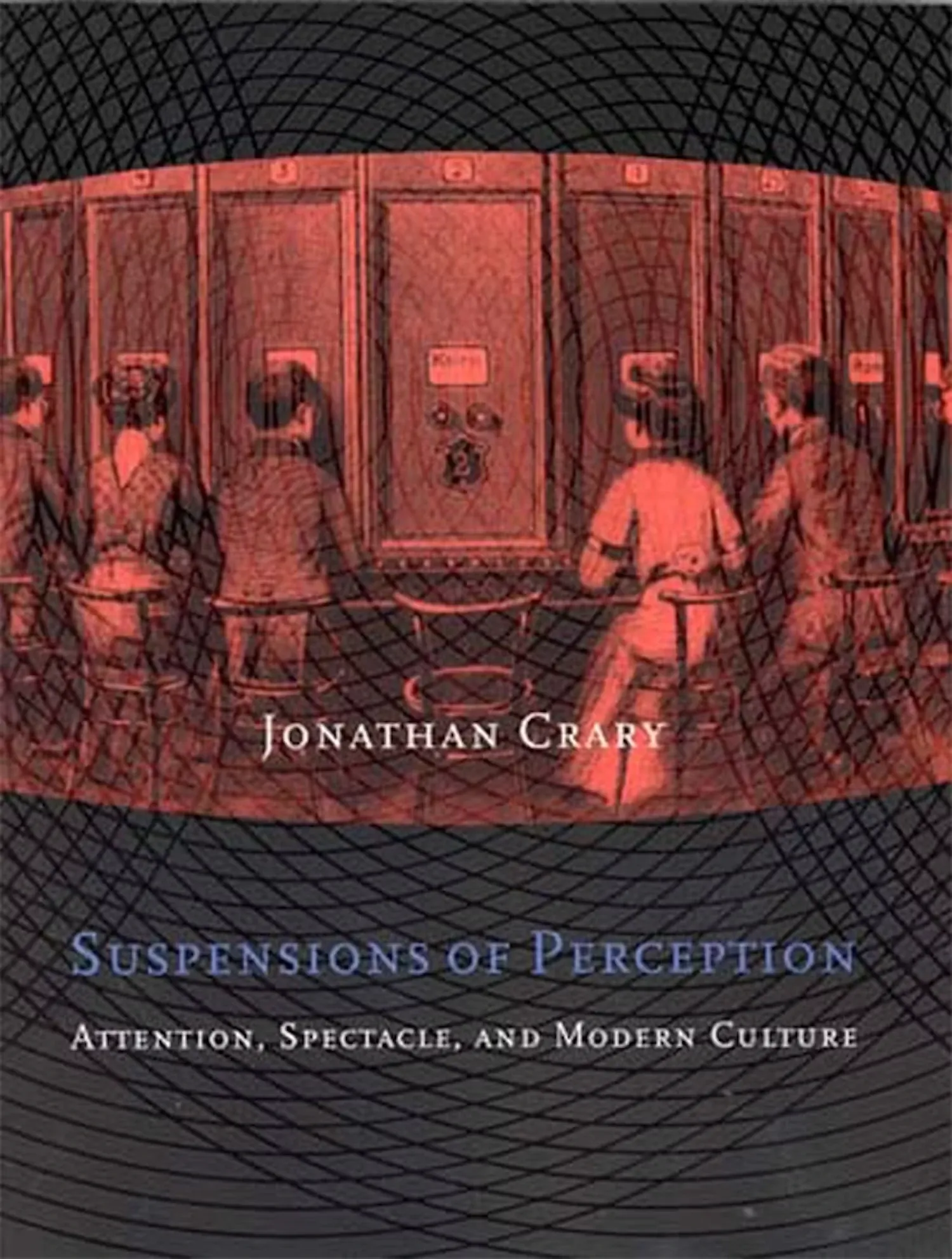
Jonathan Crary
Suspensions of Perception
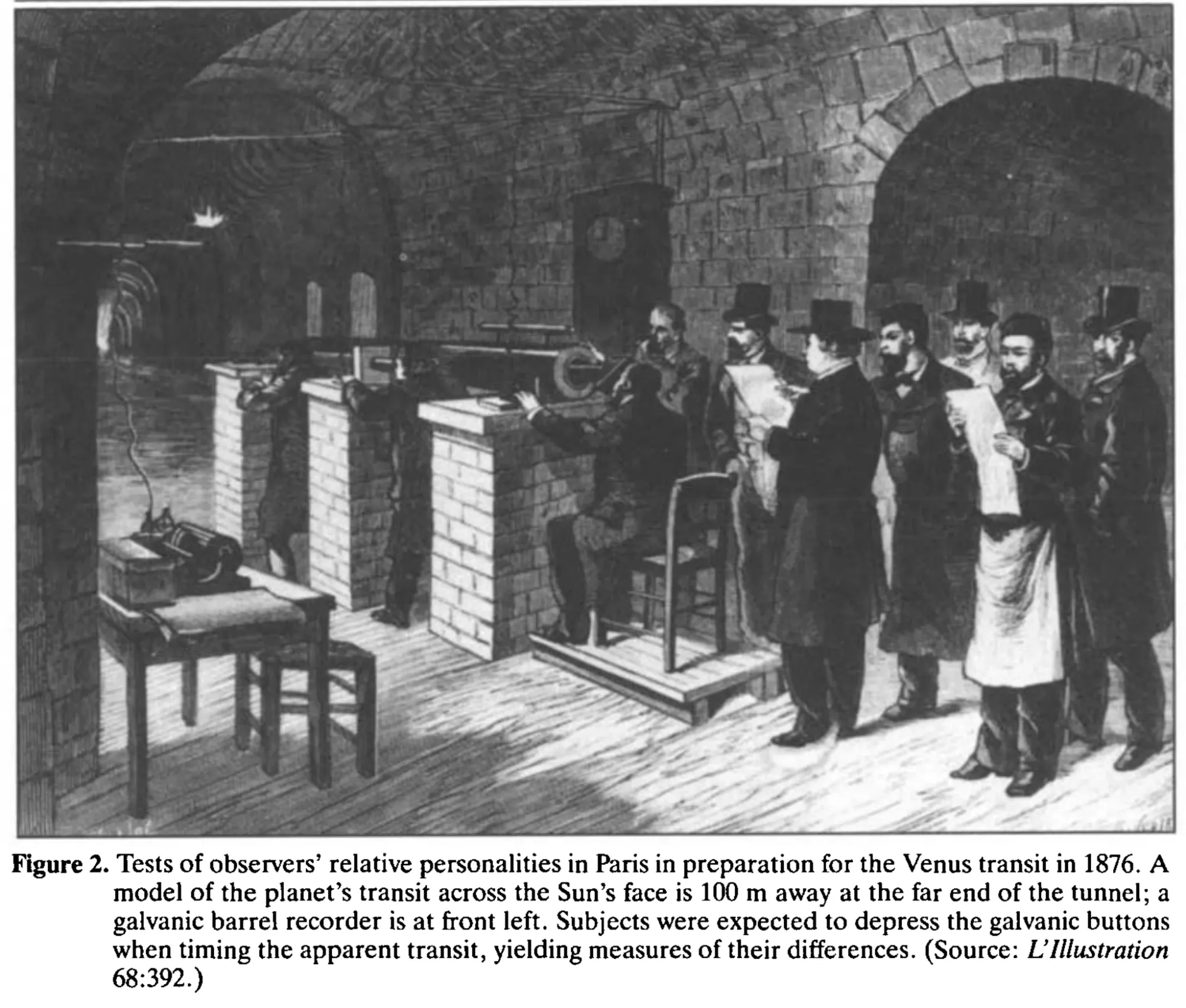
Simon Schaffer
“Astronomers Mark Time: Discipline and the Personal Equation”
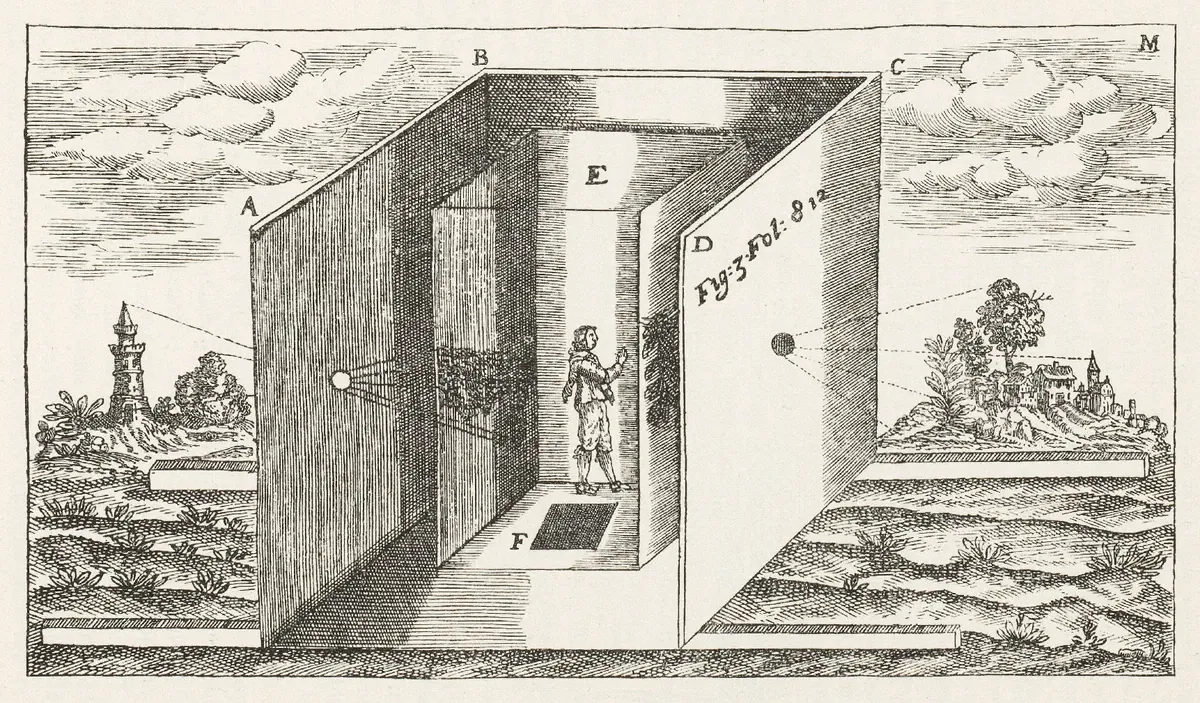
“Athanasius Kircher’s camera obscura,” illustration from Kircher’s Ars magna lucis et umbrae (1671), reproduced in Josef Maria Eder’s Ausführliches Handbuch der Photographie
The visible “escapes from the timeless incorporeal order of the camera obscura and becomes lodged in another apparatus, within the unstable physiology and temporality of the human body.”
Jonathan Crary, Techniques of the Observer: On Vision and Modernity in the Nineteenth Century (MIT Press, 1990), 70
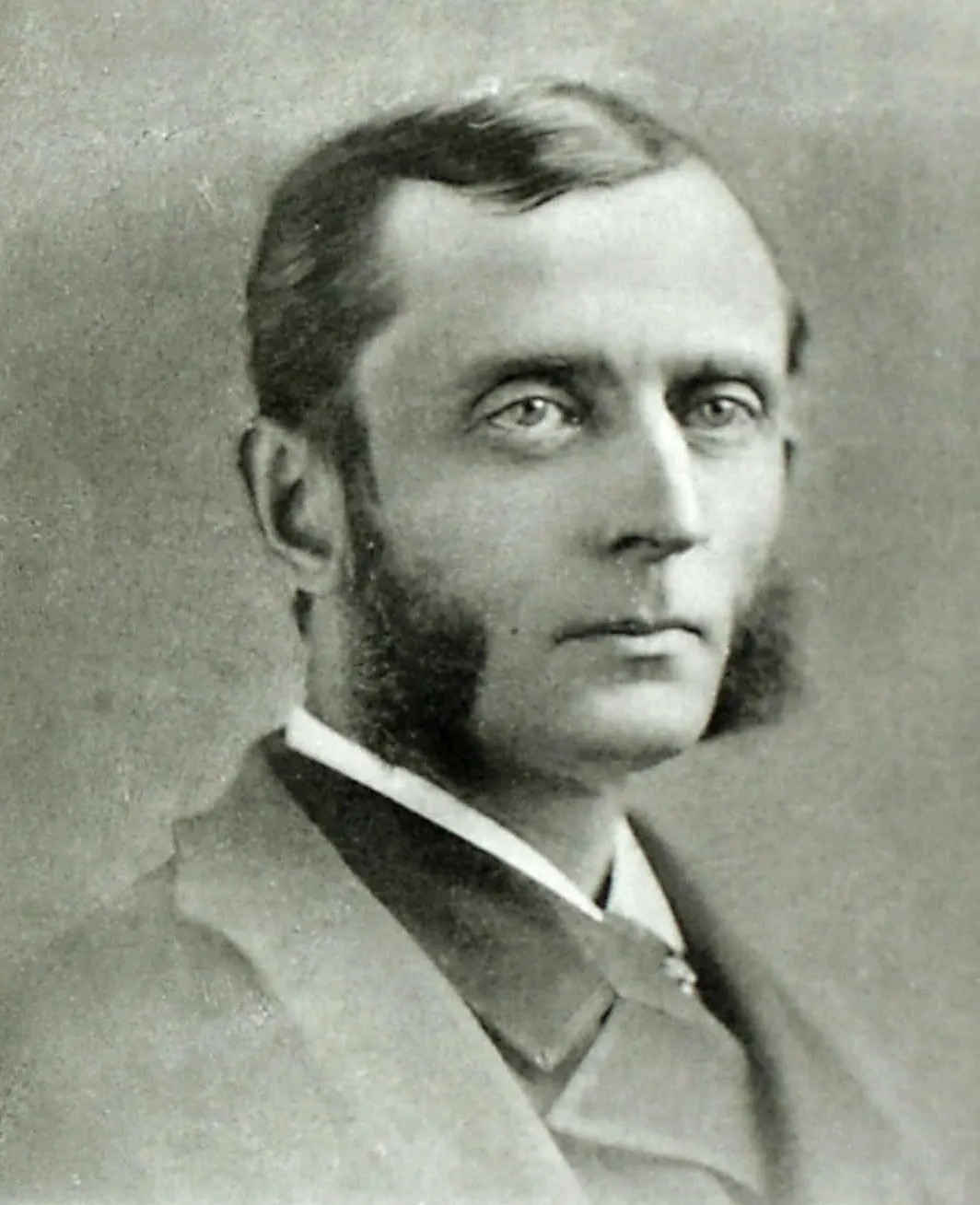
It is asked why not English, French, German, or Irish nervousness? Our answer is, that while modern nervousness is not peculiar to America, yet there are special expressions of this nervousness that are found here only; and the relative quantity of nervousness and of nervous diseases that spring out of nervousness, are far greater here than in any other nation of history, and it has a special quality. American nervousness, like American invention or agriculture, is at once peculiar and pre-eminent.
George M. Beard, American Nervousness, 1881, p. 13
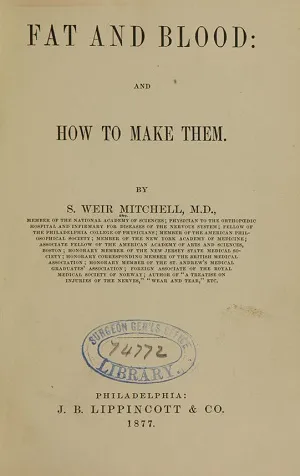
It is needful to disentangle them from the meshes of old habits and to remove them from the contact with those who have been the willing slaves of their caprices.
S. Weir Mitchell, Fat and Blood, 1877, ch. 3, “Seclusion,” p. 33
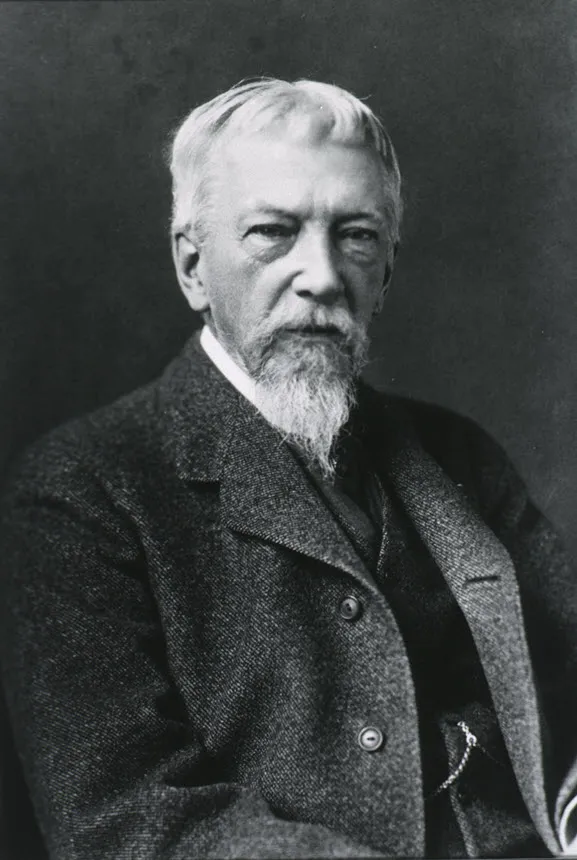
an apparatus formed by cultivation, and a product of civilization
an exceptional, abnormal state, which cannot last a long time
Ribot, The Psychology of Attention, 3rd ed., 1896, p. 2
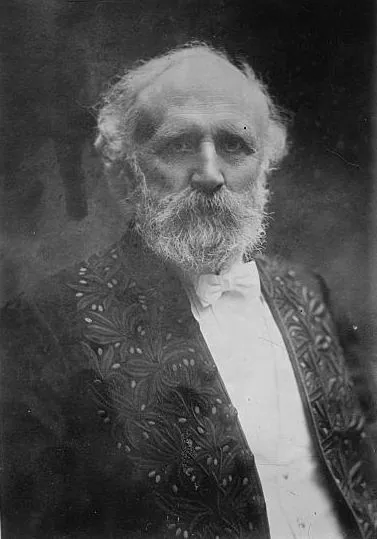
Every one knows what attention is.
volition is nothing but attention
William James, The Principles of Psychology, vol. 1, 1890, p. 403; p. 447
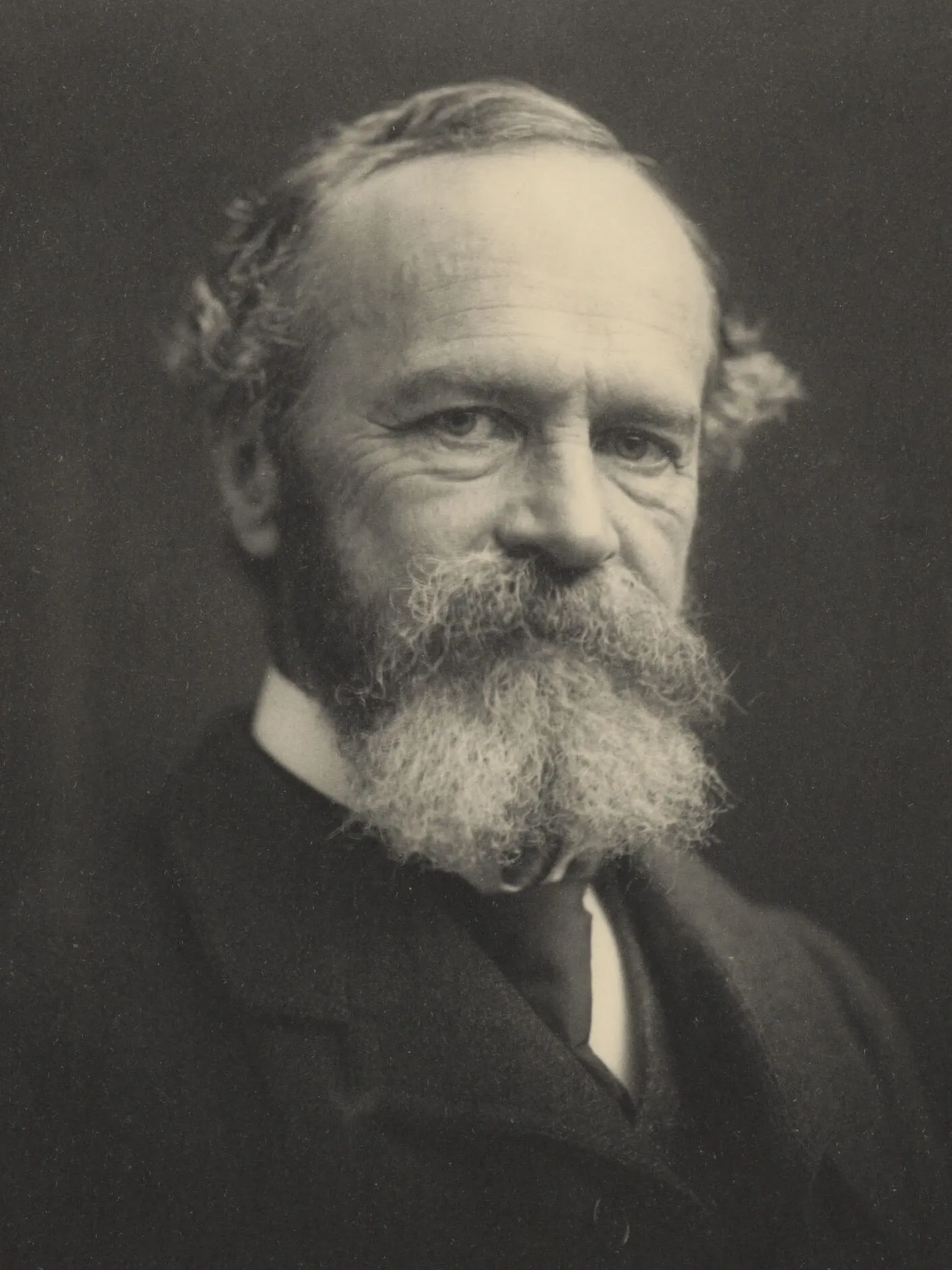
a sort of solemn sense of surrender to the empty passing of time
James, The Principles of Psychology, vol. 1, 1890, p. 404
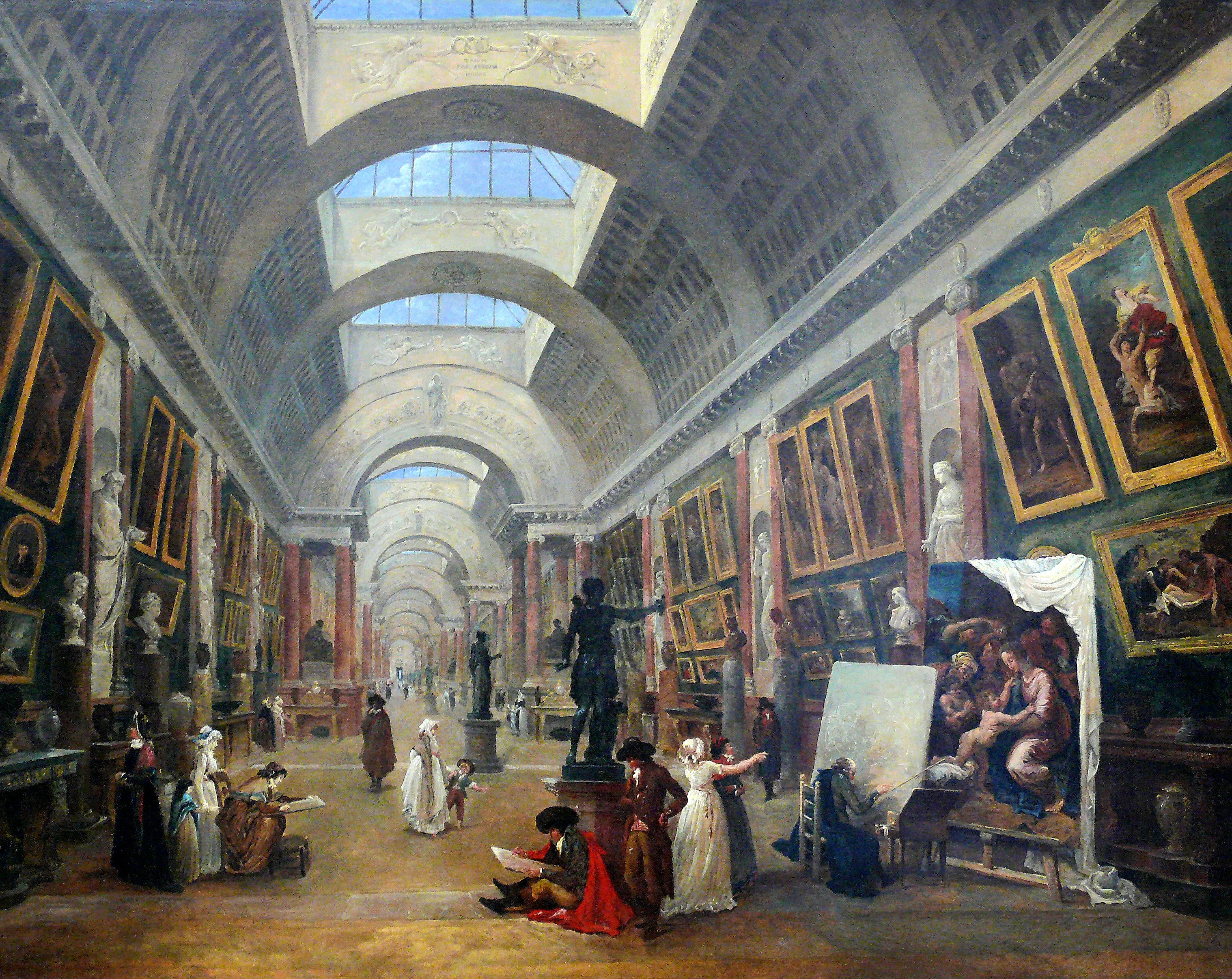
…the secular cult of beauty, developed during the Renaissance and prevailing for three centuries, clearly showed that ritualistic basis in its decline…
Walter Benjamin, “The Work of Art in the Age of Mechanical Reproduction,” trans. Harry Zohn, section IV
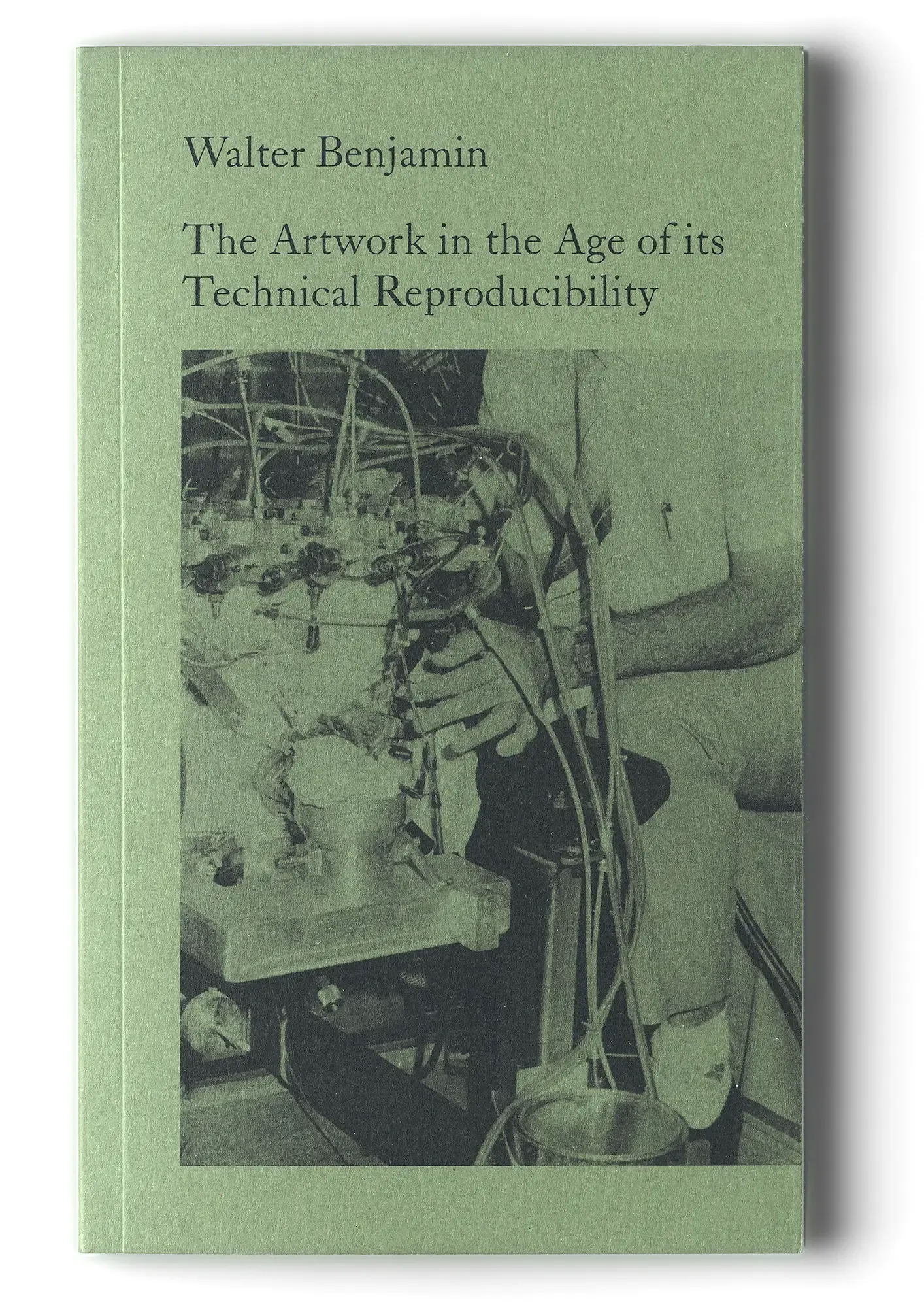
Cover, The Artwork in the Age of its Technical Reproducibility
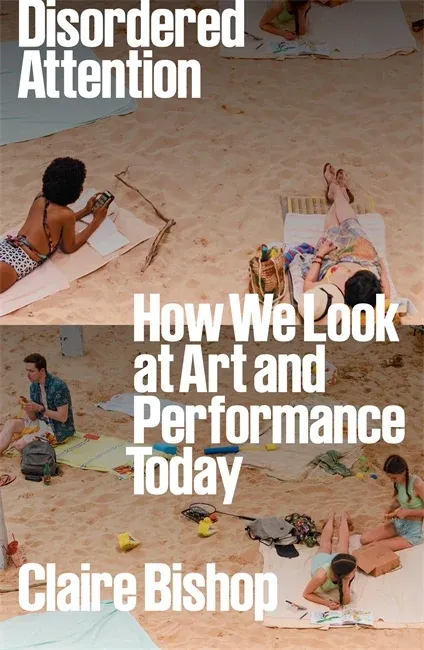
…aims to move beyond the moralising binary of attention/distraction… to rethink contemporary spectatorship as neither good nor bad but perpetually hybrid and collective.
Claire Bishop, Disordered Attention: How We Look at Art and Performance Today (Verso, 2024), introduction
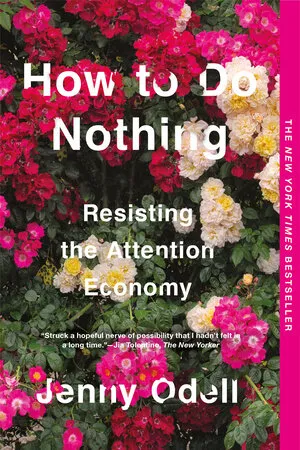
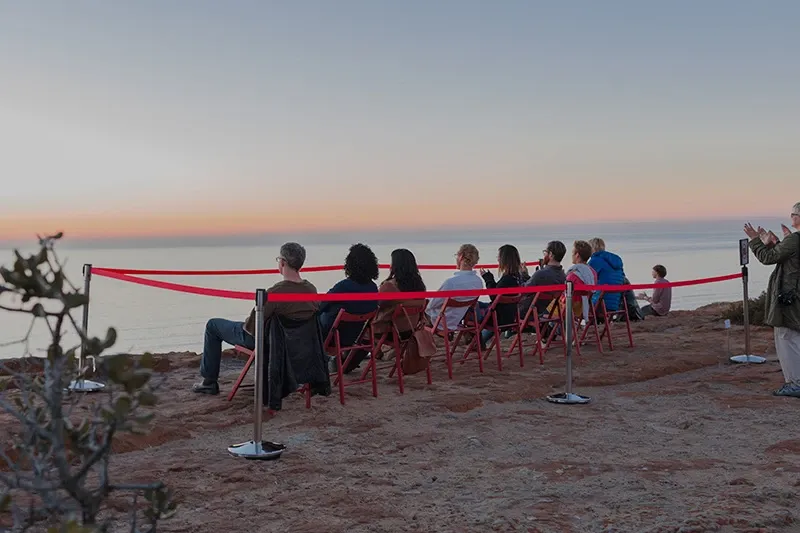
Odell describes art as an “attention-holding architecture”.
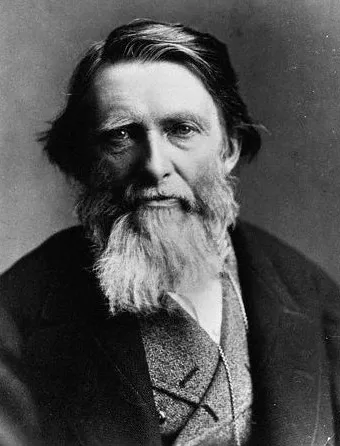
We have much studied and much perfected, of late, the great civilized invention of the division of labor; only we give it a false name. It is not, truly speaking, the labor that is divided; but the men:—Divided into mere segments of men—broken into small fragments and crumbs of life; so that all the little piece of intelligence that is left in a man is not enough to make a pin, or a nail, but exhausts itself in making the point of a pin, or the head of a nail.
John Ruskin, The Stones of Venice, vol. 2, 1853, ch. 6, §16
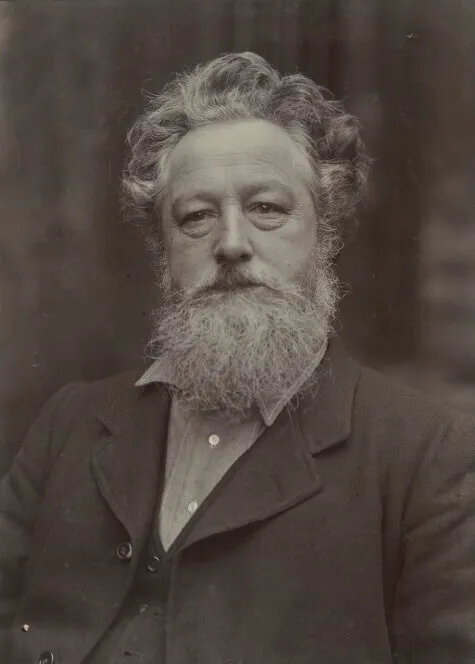
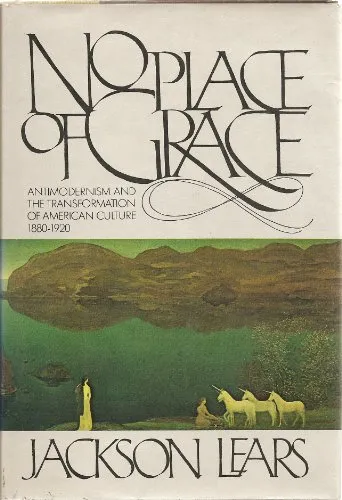
Nothing should be made by man’s labour which is not worth making; or which must be made by labour degrading to the makers.
William Morris, “Art and Socialism” (1884)
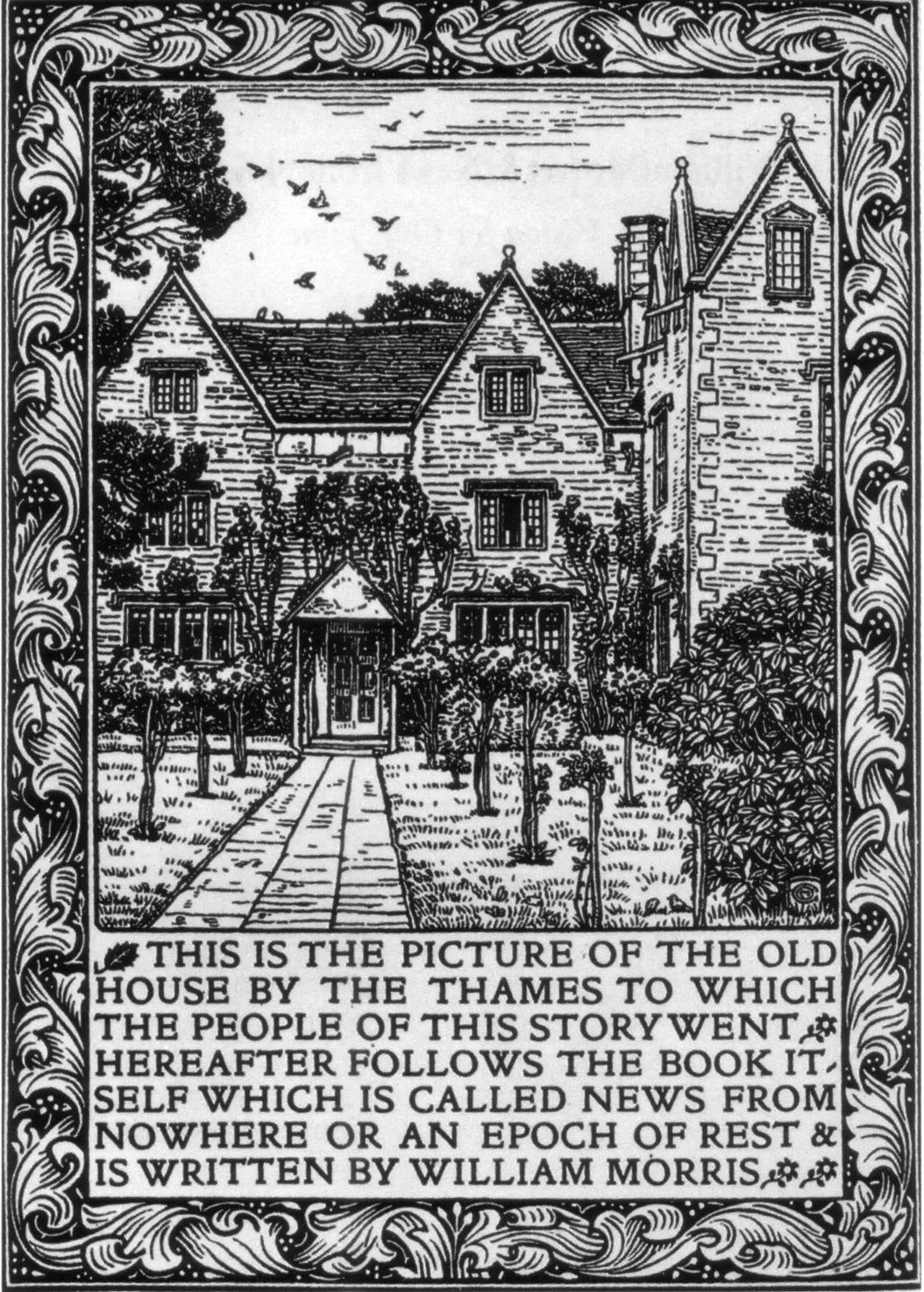
Frontispiece, News from Nowhere, or An Epoch of Rest (Kelmscott Press, 1892); design C. M. Gere, engraving W. H. Hooper
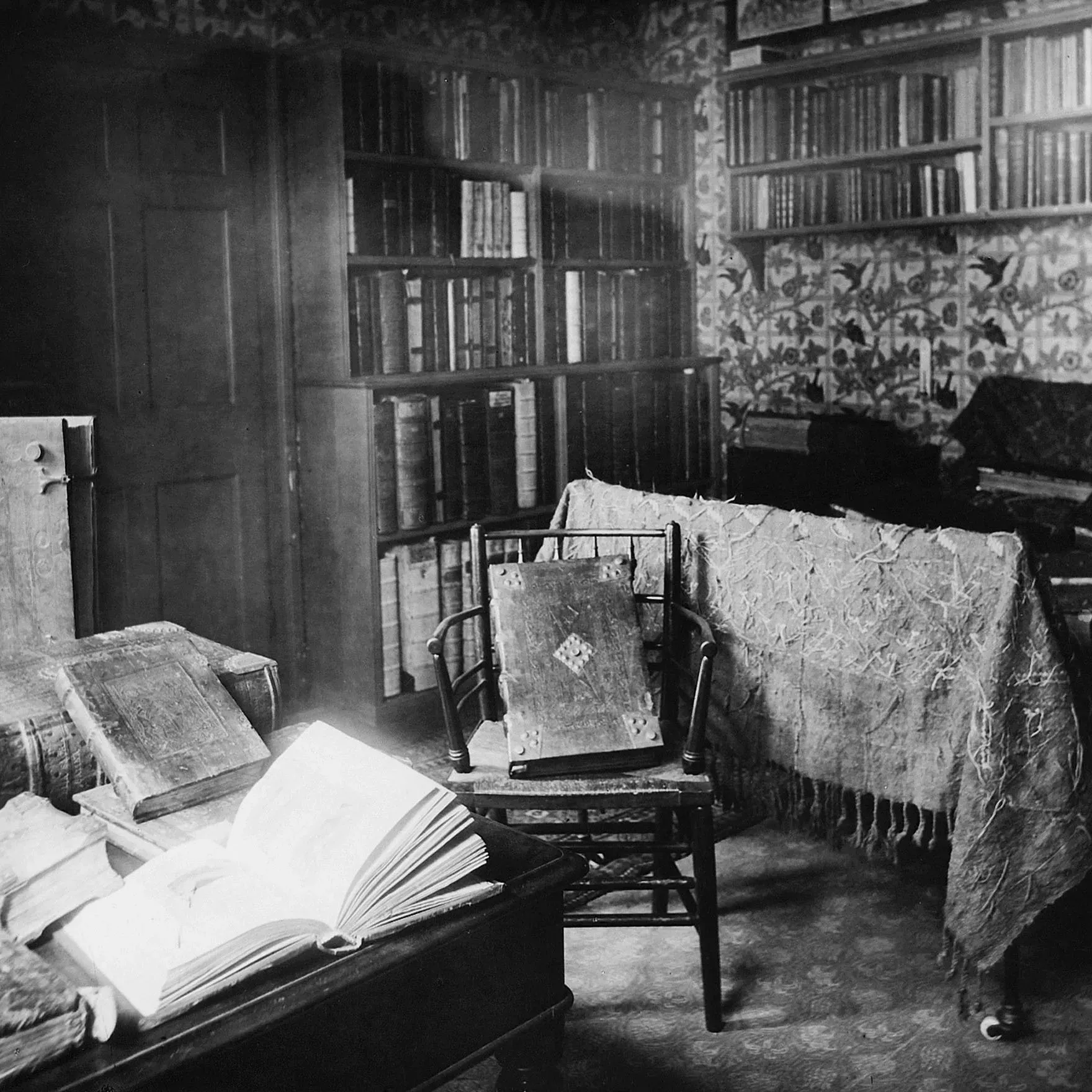
A man at work, making something which he feels will exist because he is working at it and wills it, is exercising the energies of his mind and soul as well as of his body.
William Morris, “Useful Work versus Useless Toil” (1884)
The Making Cure: Healing Attention, from Neurasthenia to ADHD recovers a forgotten counterpart to psychoanalysis’s talking cure: a lineage of practitioners, shaped by progressive education, the fine arts, and American pragmatism, who held that a disordered mind could be remade not by interpreting its symbols but by retraining what it chose to attend to. Following their art and occupational therapies through American sanatoria, psychiatric hospitals, and schools, the book re-reads art in the clinic as a chapter in the history of attention and psychotechnics.
Diverting: Marblehead, 1904
Floating: New York, 1941
Rationalizing: Washington, 1947
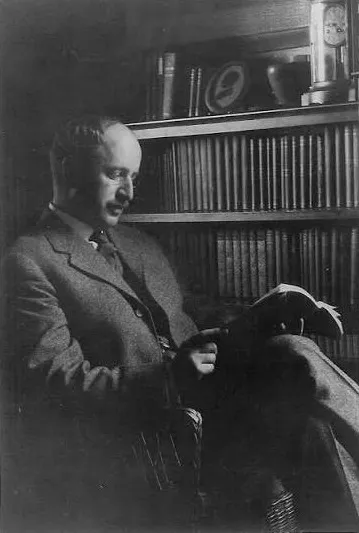
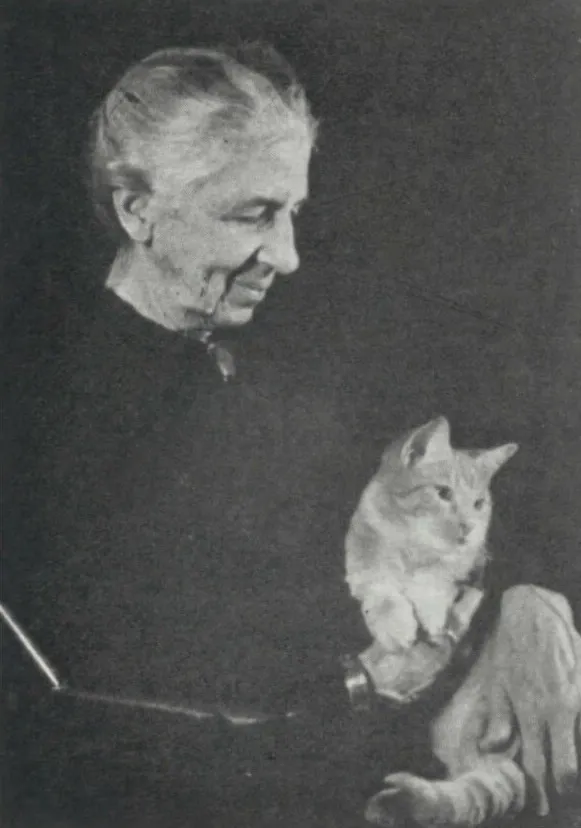
…when methods are constantly invented for substituting the machine for the hand, thereby forcing the hand simply to become a part of the machine itself, without thought, will, or ingenuity, there has come a reaction, a reversion to hand industry… for the development and co-ordination of hand and brain.
Luther, c. 1899–1900, as quoted in Rompkey, Jessie Luther at the Grenfell Mission, 2001, p. xxvi
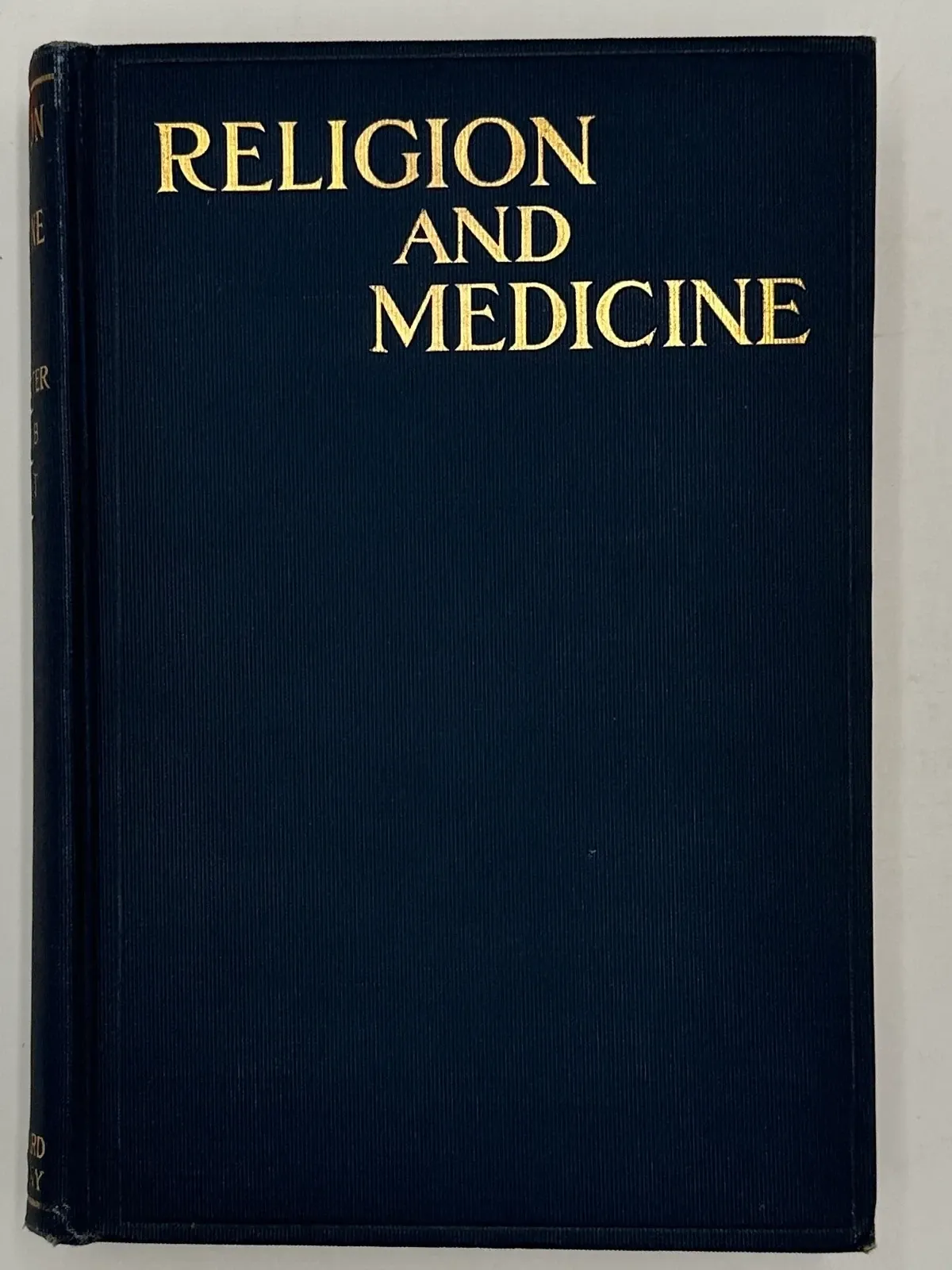
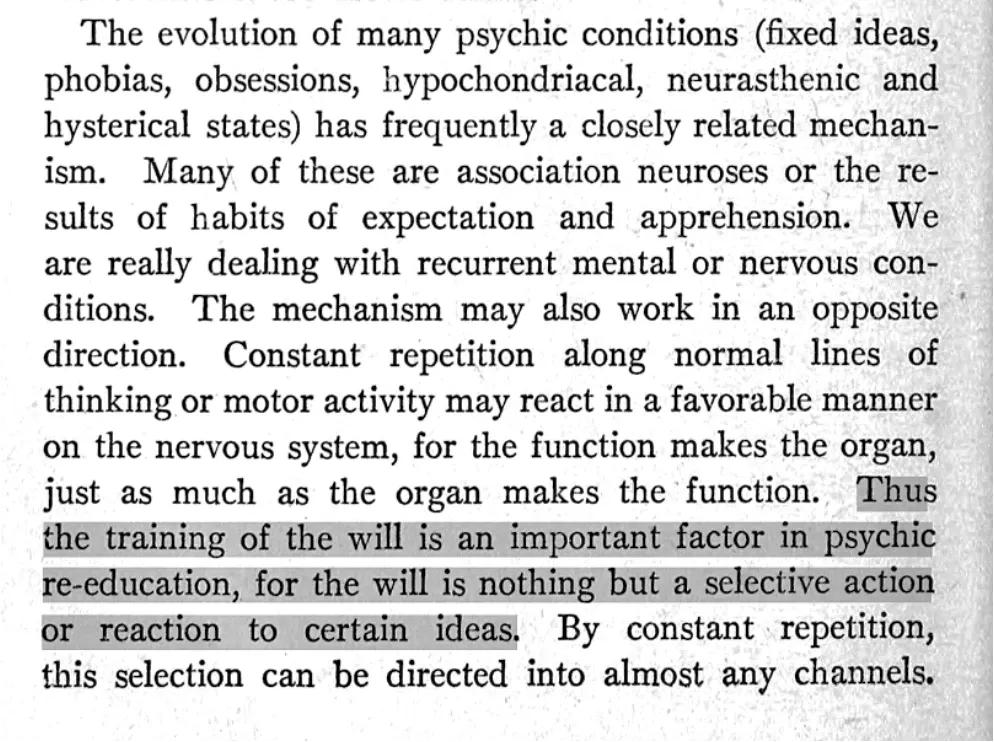
Religion and Medicine, 1908
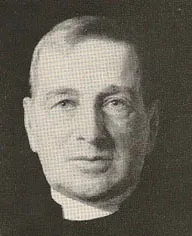
Elwood Worcester (1862–1940)
Her attention was entirely taken up with her own condition
somewhat monotonous and mechanical
She caned eight chairs in a fortnight, and soon after was able to return home.
Hall and Buck, The Work of Our Hands, 1915, pp. 177–178
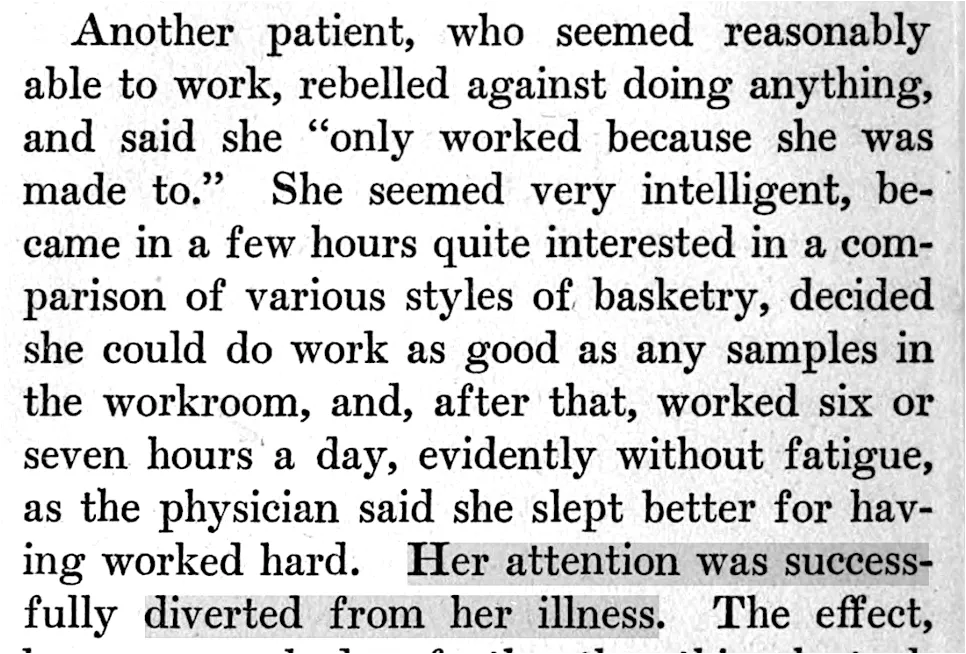
The Work of Our Hands, 1915, p. 172
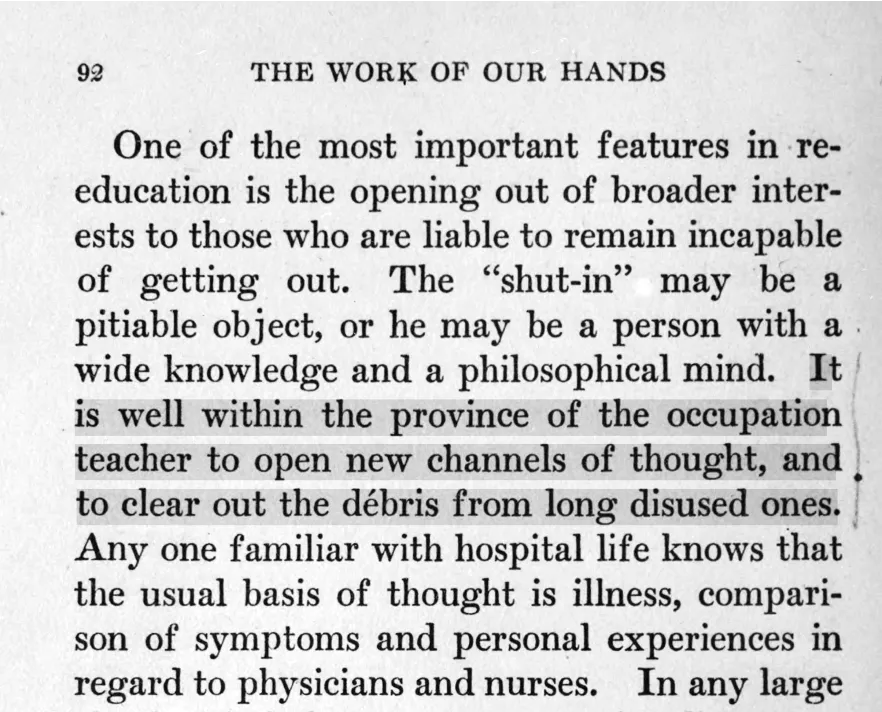
The Work of Our Hands (1915)
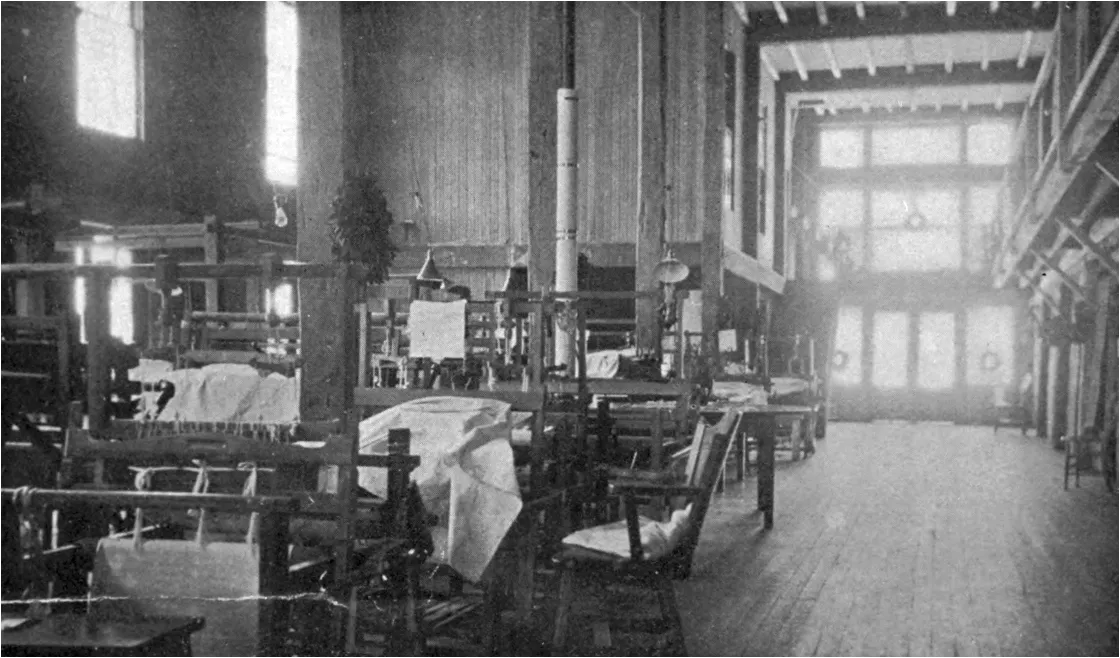
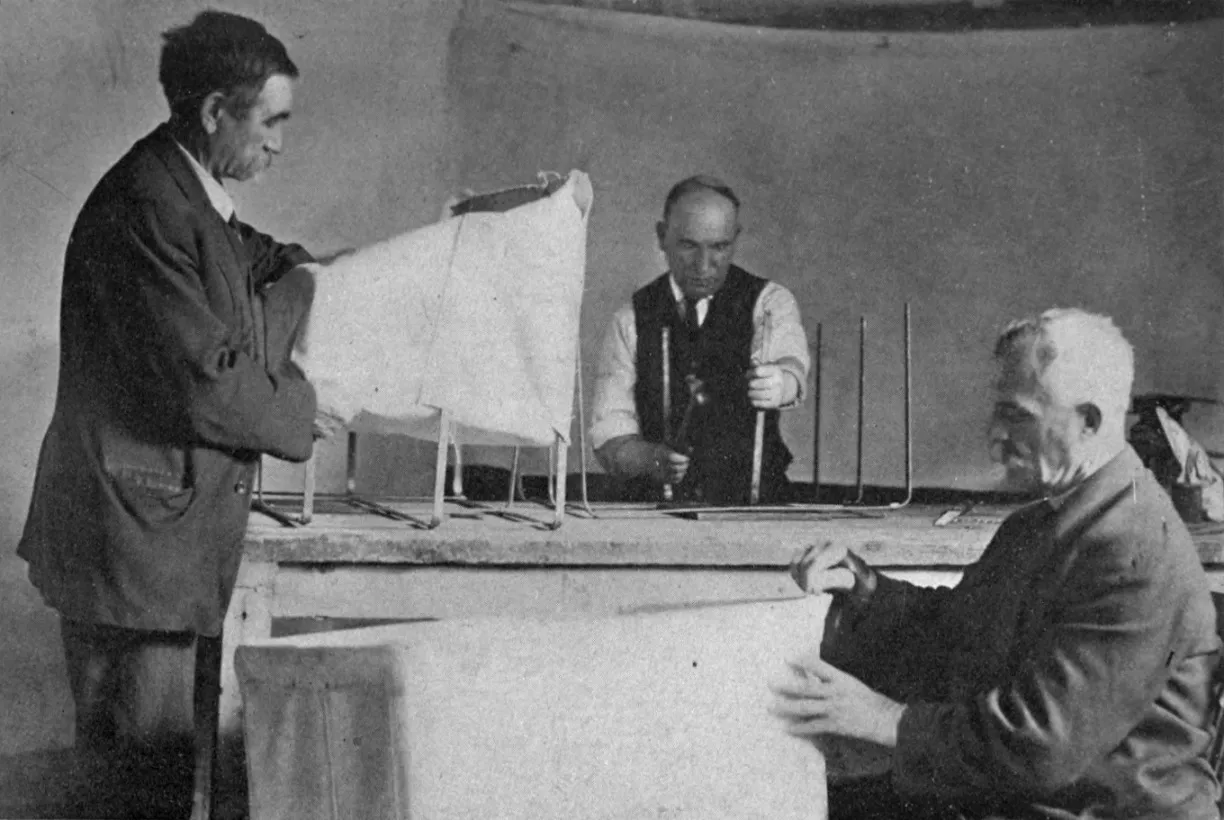
“Weaving room. Twenty-four hand looms in a big converted barn. An ideal occupation room; plenty of air and light.” Devereux Sanatorium in Marblehead, MA (1904–1914)
May 1, 1914
Occupation work
Mrs. X — Room 50
Light occupation in bed.
Basketry or Knitting.
Not more than 1 hour daily.
————————, M.D.
Hall and Buck, The Work of Our Hands, 1915, p. 76
May 1, 1914
Occupation work
Mr. D — Ward 2
Occupation in workshop.
Heavy Work. 3 hours daily.
Running Printing Press.
————————, M.D.
Hall and Buck, The Work of Our Hands, 1915, p. 77
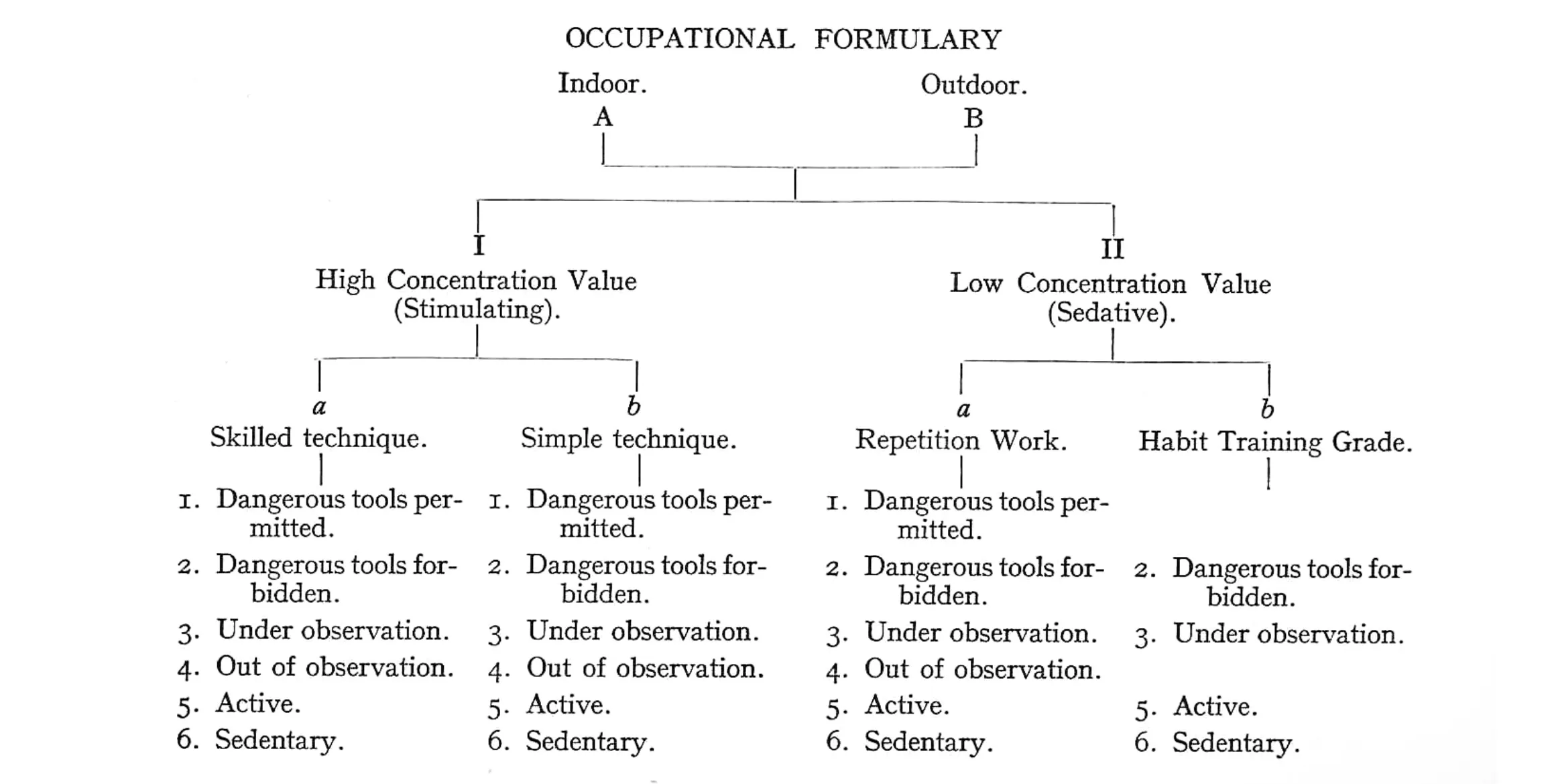
Diverting: Marblehead, 1904
Floating: New York, 1941
Rationalizing: Washington, 1947
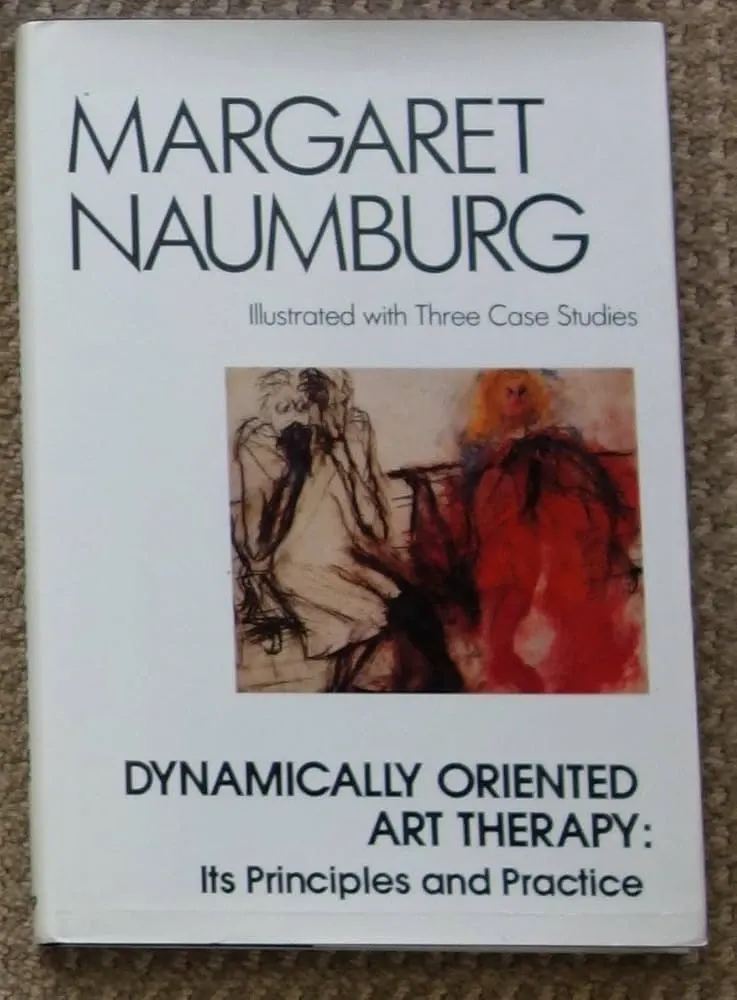
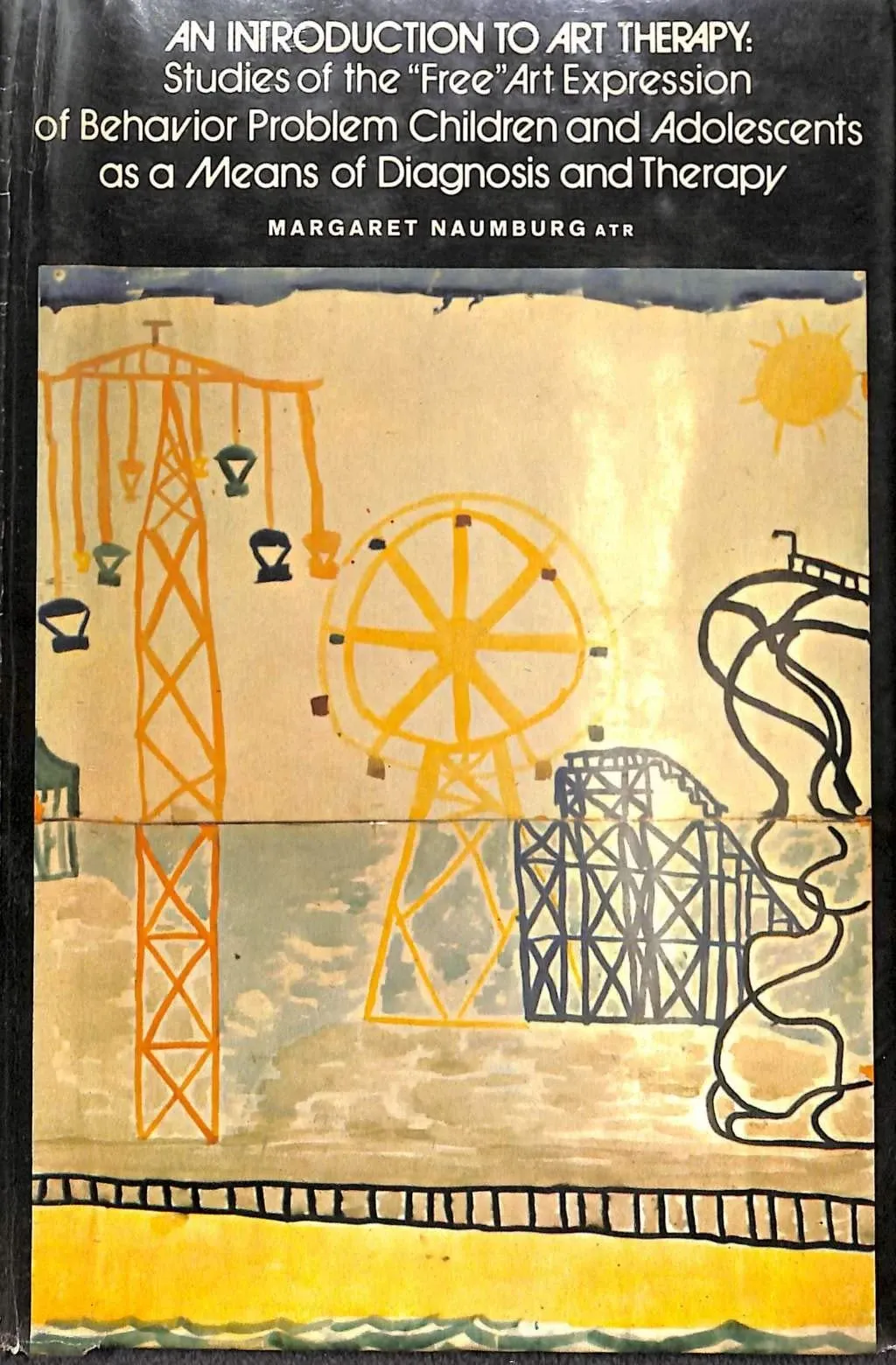
Cover, An Introduction to Art Therapy
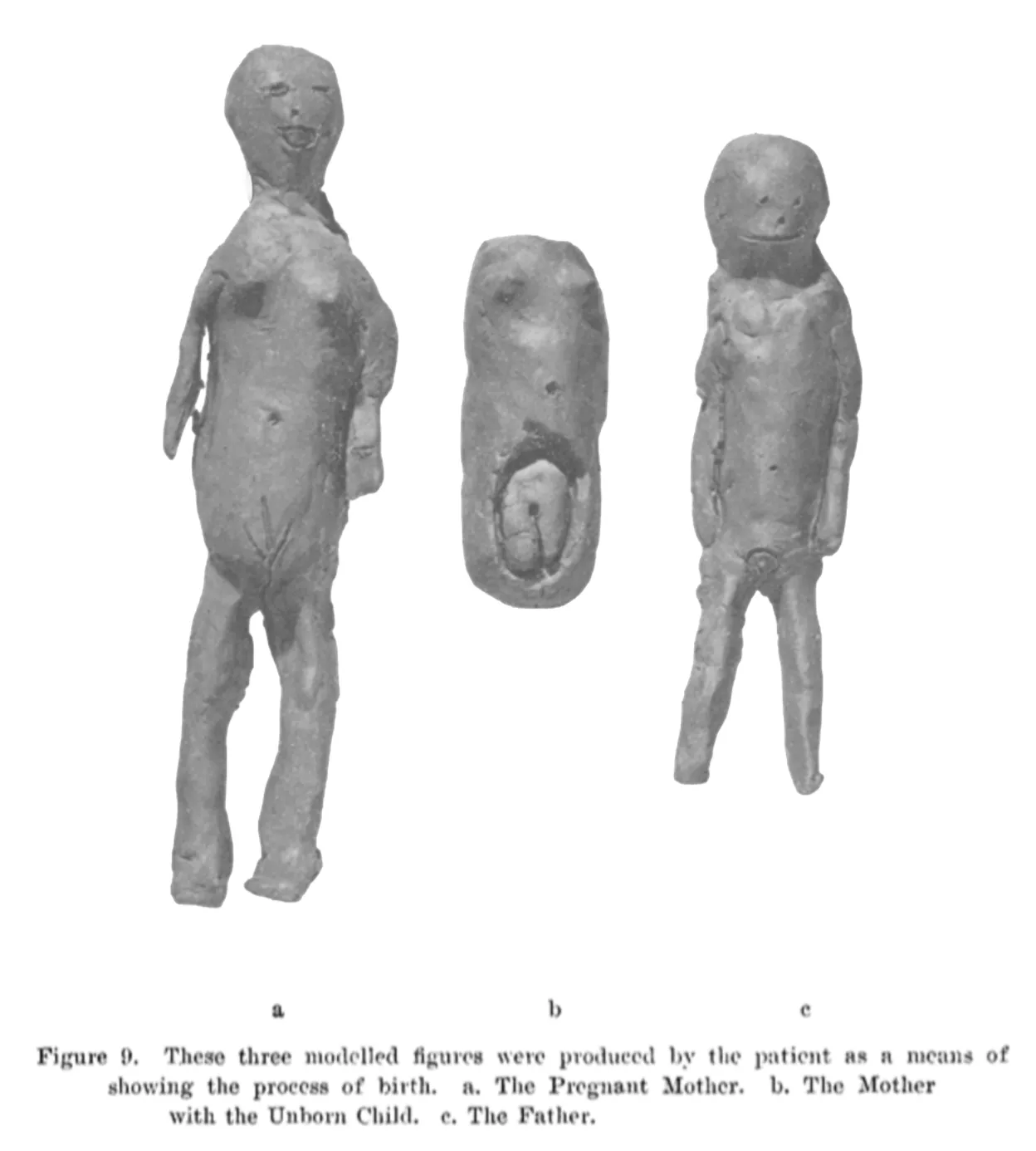
Diverting: Marblehead, 1904
Floating: New York, 1941
Rationalizing: Washington, 1947
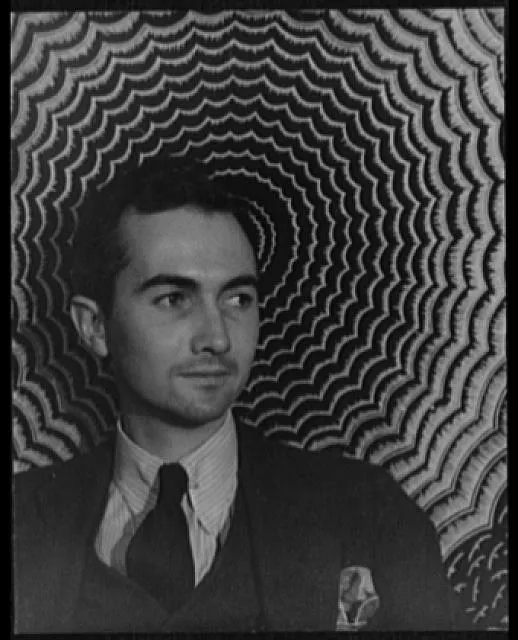
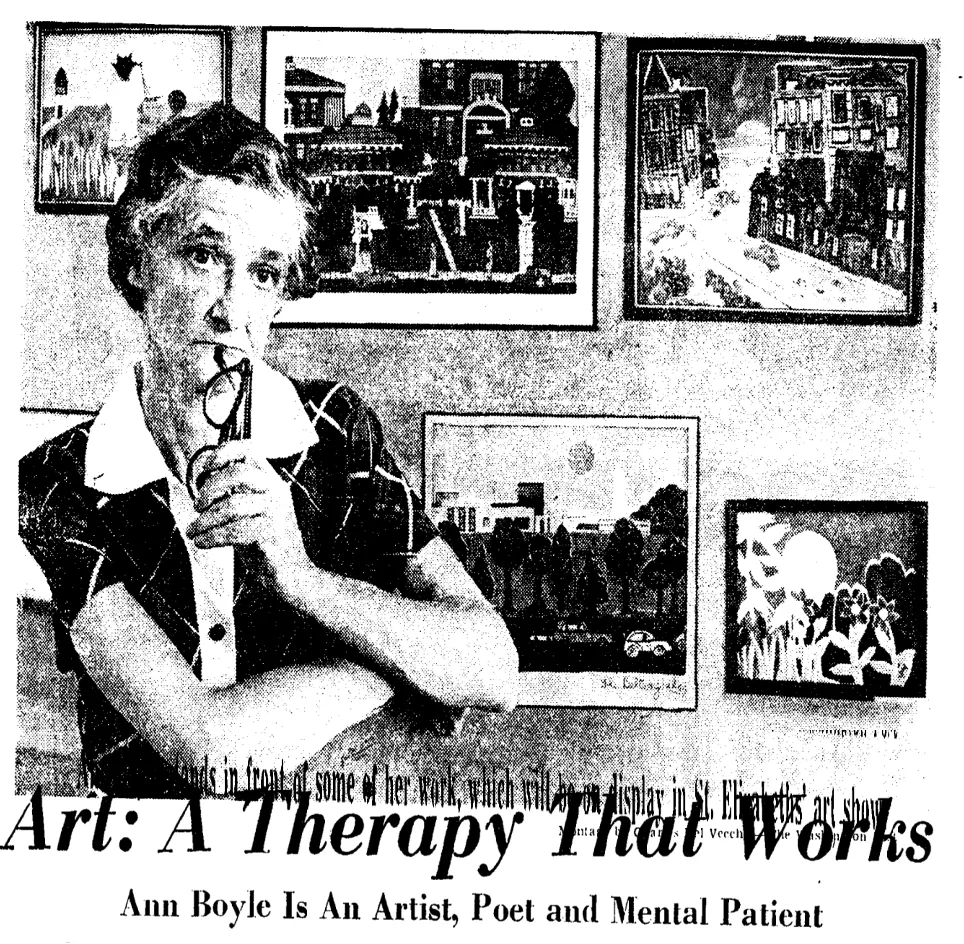
By Judy Luce Mann; Washington Post Staff Writer · The Washington Post (1974-); May 28, 1975
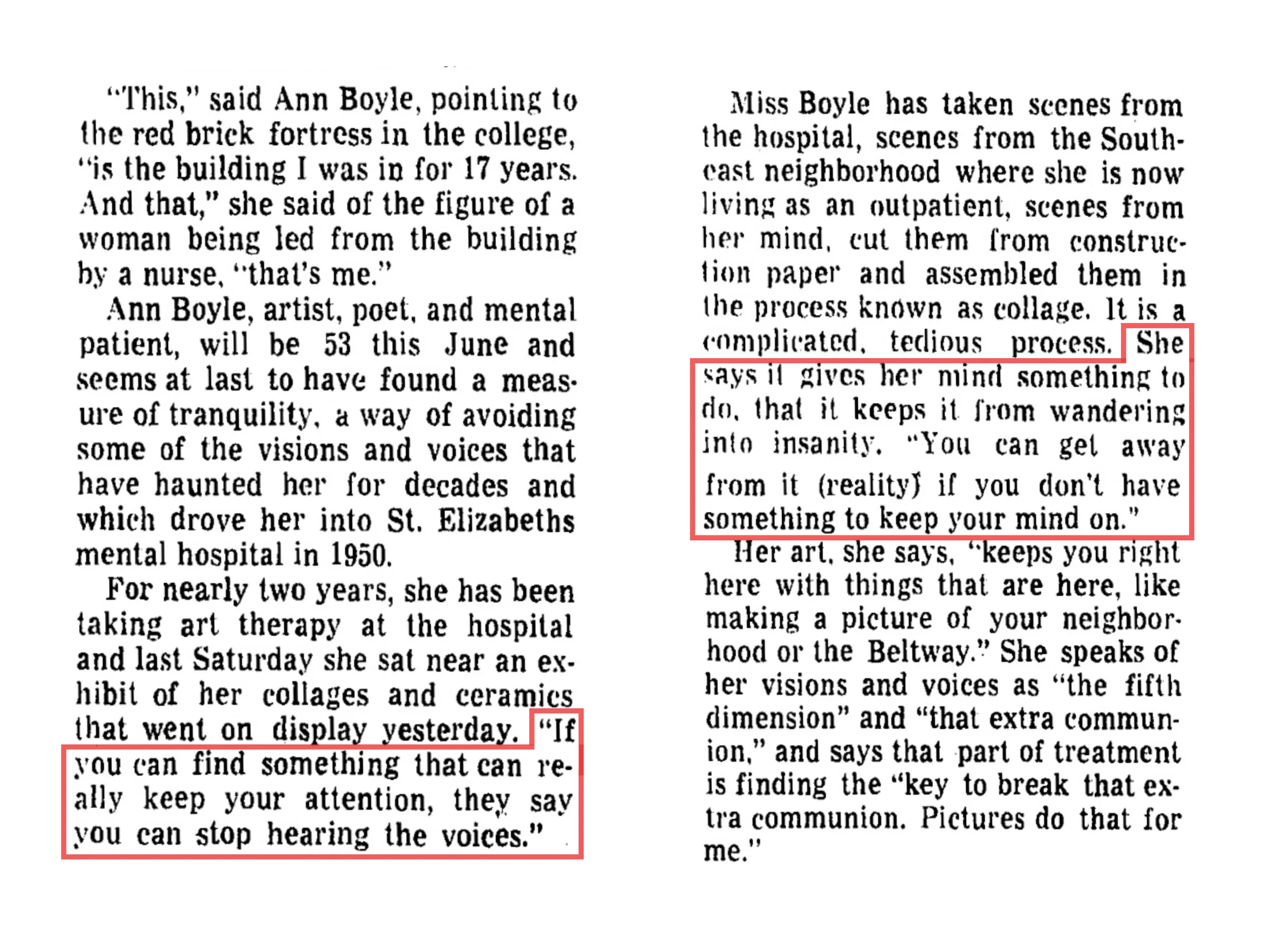
By Judy Luce Mann; Washington Post Staff Writer · The Washington Post (1974-); May 28, 1975
the hopelessness of the attempt to achieve, by individual means and private effort, a satisfying social righteousness in an unchanged world
Vida D. Scudder, introduction to John Woolman’s Journal, 1910
We are part of a rising movement for freedom, and that movement needs places and times where true and beautiful and actually human attention can escape the deranging and exploitative pressures of the digital frackosphere — and plant the seeds of the world we want.
The Friends of Attention, letter “Dear Friend,” Penguin Random House Library, December 5, 2025 (authors of Attensity!)
What, in our common life, is cumber?
What do we want our attention to be for?
When have you seen students’ attention held, and not just captured?